Let's work together
Ready to Grow Your Business?
Partner with Digital ARIS and unlock the full potential of your business with customized digital marketing strategies that deliver measurable results.
Partner with Digital ARIS and unlock the full potential of your business with customized digital marketing strategies that deliver measurable results.
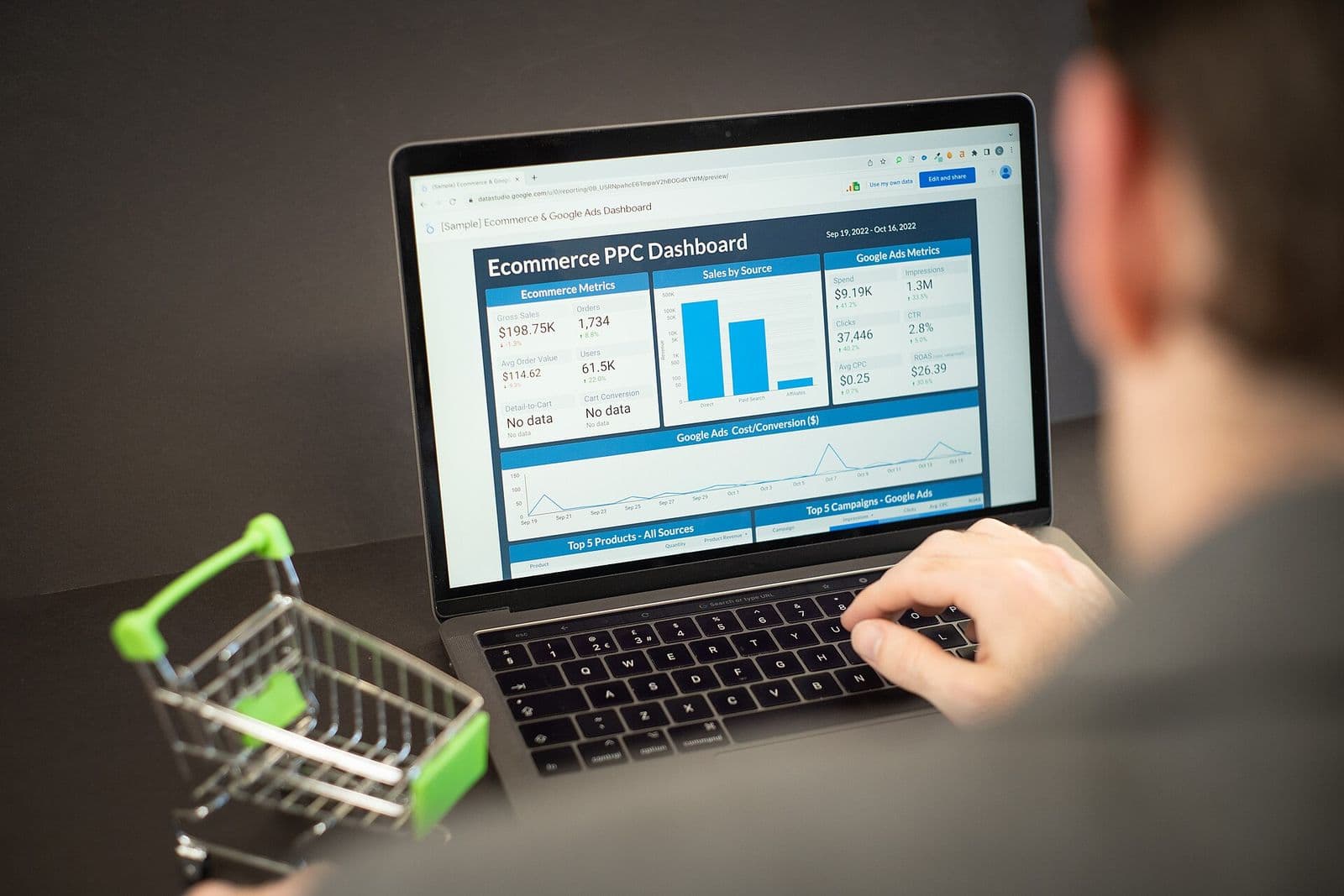
If you are planning digital marketing for your business, one question probably comes up quickly: Should I invest in SEO or Google Ads?
Both can bring people to your website, but they work in very different ways. Google Ads can put your business in front of potential customers quickly through paid advertising. SEO focuses on improving your website's organic visibility so that it can attract relevant visitors from unpaid search results.
So which one is better? The honest answer is: it depends on your business, budget, competition and goals. Let's compare both.
SEO stands for Search Engine Optimization. It involves improving your website and online presence to increase its visibility in organic search results.
SEO can include keyword research, on-page SEO, technical SEO, content creation, internal linking, local SEO, website optimization and authority building.
The main advantage is that you don't pay Google every time someone clicks your organic listing. However, SEO takes time and requires consistent work.
Google Ads is Google's paid advertising platform. Businesses can create advertisements that may appear when people search for relevant products or services.
For example, someone searching "digital marketing agency in Mumbai" may see paid advertisements before the organic results. You generally pay when users interact with your ads under the applicable campaign model.
Google Ads can be useful when a business needs visibility and enquiries relatively quickly. But once your advertising budget stops, your paid visibility can also stop.
| Factor | SEO | Google Ads |
|---|---|---|
| Speed | Usually slower | Usually faster |
| Long-term value | High | Depends on continued spending |
| Traffic cost | No direct cost per organic click | Paid |
| Results | Build over time | Can start quickly |
| Brand trust | Can support organic credibility | Clearly identified as advertising |
| Budget control | Long-term investment | Daily/campaign budget |
| Best for | Sustainable visibility | Immediate campaigns and demand capture |
Neither option is automatically better for every business.
SEO can be a strong choice if your goal is long-term organic growth. It can be especially useful when:
For example, a digital marketing agency could create content around SEO, Google Ads, social media marketing and website development. Over time, these pages can attract people searching for those services.
Google Ads can make sense when you want to generate visibility quickly. It can be useful for new offers, time-sensitive promotions, high-intent searches, lead-generation campaigns, product launches, local service businesses and testing a new market.
For example, if an interior design company launches a limited-time offer, Google Ads can help bring relevant search traffic to a dedicated landing page without waiting for a new SEO page to build organic visibility.
Not exactly. Although you don't pay Google for every organic click, SEO requires investment. You may spend money on SEO professionals or agencies, content creation, website development, technical improvements, SEO tools, digital PR or link-building activities and ongoing optimization.
So it is better to think of SEO as an organic growth investment, not completely free traffic.
Google Ads costs depend heavily on the industry, competition, location, keywords, targeting and campaign quality. Some keywords can be relatively inexpensive, while competitive commercial keywords can cost significantly more per click.
Your budget should therefore be based on your expected customer value and conversion rate rather than simply choosing the lowest possible cost per click.
For example, if you spend ₹10,000 and generate 20 qualified enquiries, your average cost per lead is ₹500. But the real question is: how many of those leads become customers? A ₹500 lead that becomes a ₹50,000 customer can be more valuable than a ₹200 lead that never converts.
Google Ads usually wins for speed. Once a campaign is properly set up, approved and running, your advertisements can start receiving impressions and clicks.
SEO usually takes longer. You may need to improve your website, create content, build authority and wait for search engines to discover and evaluate your pages.
That's why businesses looking for immediate visibility often consider Google Ads while building SEO as a longer-term strategy.
There isn't one answer. A small business with a limited budget may benefit from focusing on a few high-intent Google Ads campaigns while gradually building organic visibility through SEO. Another business may already have a strong website and receive significant search demand, making SEO a bigger priority.
The right choice depends on: Industry + Competition + Location + Budget + Search Demand + Customer Value + Business Goals
In many cases, this is actually the strongest approach.
Think of it this way: Google Ads = Faster visibility. SEO = Long-term organic growth.
You can use Google Ads to capture demand today while building SEO assets that can generate organic traffic over time. For example: Google Ads → Landing Page → Lead, while simultaneously SEO → Service Page/Blog → Organic Visitor → Lead. Both channels can support the same business goal.
There is another advantage to running both strategies. Google Ads can provide useful information about which search terms, messages and offers generate interest. That information can help inform your broader content and landing-page strategy.
For example, if a particular search theme consistently generates qualified leads through paid search, it may deserve more attention in your organic content strategy as well. This doesn't mean paid keywords automatically become organic ranking targets, but the data can provide useful insight into customer demand.
Ask yourself three questions:
Consider Google Ads.
Invest in SEO.
Consider SEO + Google Ads together.
The important thing is not to choose a channel simply because someone says it is "the best." Choose the strategy that matches your business model and customer journey.
SEO and Google Ads are not really competitors. They solve different parts of the same problem: helping potential customers find your business.
Google Ads can provide faster visibility when you have a suitable offer and campaign. SEO can build long-term organic visibility through a stronger website, useful content and ongoing optimization.
For many businesses, the smartest strategy is not SEO vs Google Ads. It's SEO + Google Ads, with each channel doing what it does best.
Digital ARIS helps businesses plan and manage SEO, Google Ads, social media marketing, website development and content strategies based on their goals, target audience and budget. If you're unsure where to invest your marketing budget, start by understanding your customers' search behaviour, your competition and the value of each potential lead.
Want help putting this into action for your business?
Digital ARIS helps businesses grow through SEO, paid marketing, social media, and high-performance websites.
Talk to Digital ARIS